
What Is Edge Computing and Why Does It Matter
Technology is changing the way people use computers, smartphones, and digital services. Every day, billions of devices create and exchange huge amounts of data. From smart homes and mobile applications to industrial machines and healthcare systems, modern technology depends on fast and reliable data processing. For many years, most data processing was done through centralized cloud servers located in large data centers. However, as the number of connected devices continues to grow, a new approach called edge computing has become increasingly important.
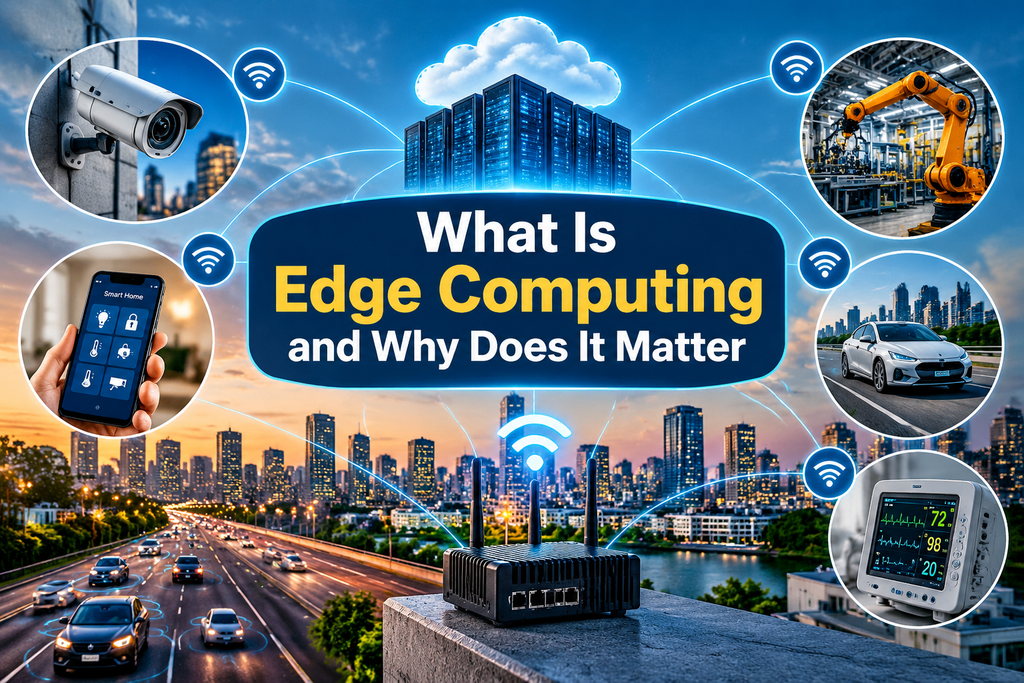
Edge computing is a technology that processes data closer to the place where it is created instead of sending everything to a distant cloud server. This simple change can improve speed, reduce delays, increase security, and make digital systems work more efficiently. As more industries adopt artificial intelligence, Internet of Things devices, autonomous machines, and real time applications, edge computing is becoming a key part of the future of technology.
Understanding Edge Computing in Simple Words
Edge computing is a method of handling data near the edge of a network. The “edge” refers to the location where data is generated, such as a smartphone, smart camera, factory machine, vehicle, or local network device. Instead of sending all information to a remote cloud server for processing, edge computing allows nearby devices or local servers to analyze and respond to data immediately.
For example, imagine a smart security camera installed outside a home. In a traditional cloud based system, the camera sends video footage to a distant server, where the information is analyzed before a response is sent back. This process may take some time. With edge computing, the camera or a nearby device can analyze the video locally and quickly identify unusual activity.
This faster processing ability is one of the biggest reasons why edge computing is becoming popular across different industries.
How Edge Computing Works
To understand how edge computing works, it is helpful to compare it with traditional cloud computing. In a traditional system, devices collect data and send it through the internet to a centralized cloud server. The cloud processes the information and sends the results back to the user or device.
Edge computing changes this process by adding computing power closer to the data source. Small servers, gateways, routers, and smart devices can perform some processing tasks locally. Only important information is sent to the cloud, while unnecessary data stays near the source.
For example, a smart factory may have hundreds of machines producing data every second. Instead of sending every piece of information to the cloud, edge devices can analyze machine performance locally. They can identify problems, predict maintenance needs, and improve production without waiting for a response from a distant server.
The main components of edge computing include edge devices, local servers, network connections, and cloud systems. These parts work together to create a faster and more efficient computing environment.
Why Edge Computing Is Important
The importance of edge computing comes from the growing demand for faster and smarter digital services. Modern applications often require instant responses. A small delay may not matter when loading a webpage, but it can become a serious issue in areas like healthcare, transportation, and industrial automation.
One major benefit of edge computing is reduced latency. Latency means the time required for data to travel from one point to another and receive a response. When data is processed closer to the user, the distance is shorter, which results in faster communication.
For example, self driving vehicles need to make quick decisions based on information from cameras and sensors. A delay of even a few seconds could create safety problems. Edge computing allows vehicles to process important information locally and respond immediately.
Another reason edge computing matters is the massive growth of connected devices. The Internet of Things has introduced millions of smart devices that continuously collect data. Sending all this information to the cloud can create network pressure. Edge computing helps by processing data locally and reducing the amount of information transferred.
Edge Computing and Artificial Intelligence
Artificial intelligence is one of the biggest areas where edge computing plays an important role. Many AI applications require quick decisions based on real time data. When AI systems depend only on cloud servers, they may experience delays due to network limitations.
Edge AI combines artificial intelligence with edge computing. This allows AI models to run directly on devices such as smartphones, cameras, and industrial machines.
For example, modern smartphones use AI features for face recognition, photography improvements, and voice assistance. Instead of sending every action to a cloud server, many AI processes can happen directly on the phone. This improves speed and provides better privacy.
In healthcare, AI powered edge devices can analyze patient information immediately. Smart medical devices can monitor heart rate, blood pressure, and other health signals while providing quick alerts when unusual conditions appear.
Edge Computing in Everyday Life
Many people use edge computing without realizing it. Several technologies that are becoming common in daily life depend on this approach.
Smartphones are a good example. Mobile devices now have powerful processors that can perform tasks such as image processing, language translation, and security checks without relying completely on online servers.
Smart home devices also use edge computing. Smart speakers, security systems, and home automation devices can process some information locally to provide faster responses.
Online gaming is another area where edge computing is useful. Gamers need fast connections and low delay to enjoy smooth experiences. Edge servers placed closer to players can reduce delays and improve performance.
Streaming services also benefit from edge computing. Content delivery networks use servers located in different regions to deliver videos and other content faster. This reduces loading times and creates a better user experience.
Edge Computing in Different Industries
Edge computing is transforming many industries by improving efficiency and creating new possibilities.
In healthcare, edge computing supports remote patient monitoring, medical imaging, and smart medical equipment. Doctors can receive important information quickly, allowing faster decisions and better patient care.
In manufacturing, edge computing helps factories become smarter. Machines can collect and analyze performance data in real time. This allows companies to detect problems before equipment fails, reducing downtime and maintenance costs.
In transportation, edge computing supports intelligent traffic systems, connected vehicles, and smart transportation networks. Traffic cameras and sensors can process information locally to improve road management.
In agriculture, edge computing helps farmers use smart farming techniques. Sensors can monitor soil conditions, weather information, and crop health. Local data processing allows farmers to make better decisions and improve productivity.
Retail businesses also use edge computing for customer analysis, inventory management, and personalized shopping experiences. Smart stores can process customer behavior data quickly while maintaining better control over information.
Edge Computing and Data Security
Data security has become a major concern in the digital world. As more personal and business information is collected, protecting this data is extremely important.
Edge computing can improve security by reducing the amount of sensitive information sent across networks. When data is processed locally, there is less need to transfer everything to external servers.
For example, a security camera can analyze footage locally and only send important alerts instead of uploading continuous video streams. This can reduce privacy risks and improve data management.
However, edge computing also introduces new security challenges. Since there are many edge devices spread across different locations, each device needs proper protection. Companies must use strong security methods to prevent unauthorized access and data attacks.
Difference Between Edge Computing and Cloud Computing
Cloud computing and edge computing are connected technologies, but they work in different ways.
Cloud computing depends on centralized data centers that provide powerful computing resources. It is useful for storing large amounts of data, running complex applications, and managing business systems.
Edge computing focuses on processing data closer to where it is created. It is designed for situations where speed and immediate responses are important.
The future of technology will likely include both cloud and edge computing working together. Cloud systems will continue handling large scale storage and advanced processing, while edge systems will manage fast local decisions.
Challenges of Edge Computing
Although edge computing offers many advantages, it also has some challenges. One challenge is the cost of installing and maintaining edge infrastructure. Businesses may need to invest in new hardware, software, and security systems.
Another challenge is managing many distributed devices. Unlike traditional cloud servers that are located in controlled environments, edge devices may exist in different locations with different conditions.
Security is also a major challenge. Every connected edge device can become a possible target for cyber attacks. Organizations need strong security practices to protect their networks.
Despite these challenges, improvements in technology are making edge computing more practical and accessible.
The Future of Edge Computing
The future of edge computing looks promising because digital systems are becoming more connected and intelligent. Technologies such as 5G networks, artificial intelligence, autonomous vehicles, and smart cities will increase the demand for faster data processing.
As businesses and consumers expect instant digital experiences, edge computing will continue to grow. More devices will gain the ability to process information locally, creating faster and smarter technology environments.
In the coming years, edge computing may become a normal part of everyday technology. From smart homes and healthcare systems to transportation and industrial automation, edge computing will help create a more efficient digital world.
Conclusion
Edge computing is changing the way data is processed and managed. Instead of depending only on distant cloud servers, it brings computing power closer to the place where information is created. This approach improves speed, reduces delays, supports artificial intelligence, and helps connected devices work more efficiently.
As the number of smart devices continues to increase, edge computing will become even more important. It is not replacing cloud computing but working alongside it to create a faster, safer, and more powerful technology ecosystem.
Understanding edge computing helps us see how modern technology is evolving. Whether it is a smartphone, smart home device, healthcare system, or industrial machine, edge computing is becoming a hidden but essential part of the digital experiences people use every day.

What Li Fi Technology Could Mean for Wireless Connectivity

How E Ink Displays Differ From Traditional Screens
How Smart Home Devices Communicate With Each Other
About The Author
