
Why Some Smartphones Receive Software Updates for Longer
When people buy a new smartphone, they often focus on the camera, battery, display, processor, storage, and design. These features are certainly important, but there is another factor that can have a major effect on how long a phone remains useful. That factor is software support.
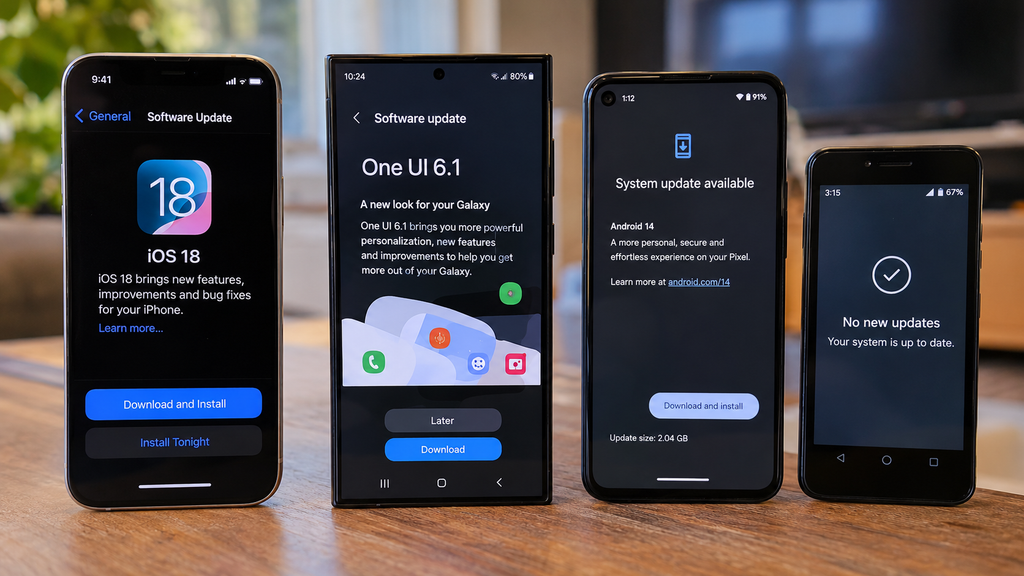
Some smartphones continue receiving software updates for many years, while others stop receiving major updates much sooner. At first, this difference may not seem very important. A phone can still turn on and run applications even when it is no longer receiving the latest version of its operating system. However, over time, software support affects security, application compatibility, performance, privacy, and the overall lifespan of the device.
Understanding why some smartphones receive software updates for longer can help buyers make better decisions. It also explains why two phones with similar hardware may have very different useful lives.
What Are Smartphone Software Updates?
Smartphone software updates are improvements released by the company responsible for the operating system or device software. These updates can include new features, security improvements, bug fixes, design changes, performance improvements, and compatibility changes.
There are several types of smartphone software updates.
Major operating system updates usually introduce a newer version of Android or iOS. They may bring changes to the interface, privacy controls, system features, battery management, and application support.
Security updates are designed to fix weaknesses that could potentially be used to attack a device or access private information.
Smaller system updates may correct bugs, improve battery performance, fix connectivity problems, or make certain features more stable.
All of these updates play an important role in keeping a smartphone useful for a longer period.
Software Support Depends on the Smartphone Manufacturer
One of the biggest reasons some smartphones receive updates for longer is the policy of the manufacturer.
Different smartphone companies follow different software support strategies. Some companies design their phones with long term software support as an important part of the product. Others focus more heavily on selling affordable devices and introducing new models frequently.
Providing software updates for several years requires money, engineers, testing facilities, and long term planning. A manufacturer must continue supporting a phone even years after it was originally released.
Companies that make long software support a priority are usually willing to invest more resources in maintaining older devices.
For buyers, this means that the brand and the manufacturer’s software update policy can be just as important as the hardware specifications.
Control Over Hardware and Software Makes Updates Easier
Smartphones are complex devices made from many different components.
A typical smartphone contains a processor, graphics hardware, modem, camera system, sensors, wireless components, storage, memory, and many other parts. Each component communicates with the operating system through software.
When a company controls both the hardware design and much of the software, providing updates can become easier.
Apple is a well known example because the company develops the iPhone, designs many important hardware components, and controls iOS. This gives Apple considerable control over how the hardware and software work together.
Android manufacturers often depend on several outside companies for processors, modems, camera components, and other hardware. They must coordinate software support across many suppliers.
This does not mean that Android phones cannot receive long term updates. In recent years, several manufacturers have significantly improved their support periods. However, the complexity of the supply chain can still influence how long a particular device receives updates.
The Smartphone Processor Plays an Important Role
The processor inside a smartphone is one of the most important factors affecting software support.
A smartphone processor is often called a system on a chip. It contains the central processor, graphics system, image processing components, artificial intelligence hardware, communication controllers, and other functions.
When a new operating system version is released, the processor must be able to support it properly.
Processor manufacturers provide software tools and drivers that smartphone companies use to make the operating system communicate with the hardware.
If support for an older processor ends, maintaining new operating system versions can become more difficult.
This is one reason manufacturers may choose processors with longer support programs when designing phones that are expected to receive updates for many years.
Newer processor platforms may also include improved security technology and hardware features that make future operating system development easier.
Flagship Smartphones Often Receive Longer Support
Flagship smartphones are usually the most expensive models produced by a company. They normally include powerful processors, high quality displays, advanced cameras, premium materials, and other high end features.
These phones often receive software updates for longer than cheaper models.
There are several reasons for this.
Flagship devices usually have more powerful hardware, which gives them enough performance to handle future operating system versions.
They also have higher profit margins. This can make it easier for manufacturers to justify spending additional resources on long term software development and testing.
Flagship phones are also important for a company’s reputation. If buyers spend a large amount of money on a premium smartphone, they generally expect the device to remain supported for several years.
As competition has increased, long term software support has become another feature that manufacturers use to attract premium smartphone buyers.
Budget Smartphones Can Have Different Update Policies
Affordable smartphones are extremely important because they make modern mobile technology available to a larger number of people.
However, budget phones sometimes receive fewer updates than expensive models.
One reason is that manufacturers need to control the cost of producing and supporting affordable devices.
Another reason is that budget phones may use processors and hardware platforms with shorter support periods.
Manufacturers also release many different budget models each year. Supporting a large number of devices for a long period requires substantial engineering resources.
Fortunately, this situation is gradually improving. Some companies now provide several years of security updates even for selected affordable smartphones.
Buyers should still check the official software support policy before purchasing a budget phone if they plan to keep the device for many years.
Fewer Smartphone Models Can Make Updates Easier
The number of smartphone models produced by a company can influence update speed and duration.
Imagine that one manufacturer releases only a small group of phones each year. Its engineers can focus their testing and software development on a relatively limited number of devices.
Another manufacturer might release dozens of different phones across many countries.
Each phone may use different processors, camera sensors, displays, memory configurations, and communication systems.
Before releasing an operating system update, the company must make sure it works correctly with each supported device.
This creates a large testing workload.
Companies with smaller product ranges can sometimes provide updates more consistently because their software teams have fewer hardware combinations to maintain.
Software Customization Affects the Update Process
Android manufacturers often add their own interface and features on top of the basic Android operating system.
These customized interfaces can include special camera functions, multitasking tools, privacy features, animations, themes, battery controls, and application systems.
Customization can make smartphones more distinctive, but it can also make updates more complicated.
When Google releases a new Android version, manufacturers may need to adapt their own software to work with the new system.
The more complicated the customization, the more testing may be required.
Manufacturers must make sure that their unique features continue working properly after the update.
This is one reason software development teams are important. Companies with large and experienced software teams may be able to maintain customized systems while still providing updates for many years.
Testing Takes a Significant Amount of Time
Smartphone updates cannot simply be installed on millions of devices immediately after development.
They must be carefully tested.
Engineers check whether important functions such as calling, mobile data, Wi Fi, Bluetooth, cameras, charging, biometrics, applications, and battery management continue to work correctly.
An update that causes serious battery drain or network problems can affect a large number of users.
Testing becomes more complicated when one smartphone model has different hardware versions in different regions.
For example, a phone sold in one country may support different mobile network frequencies compared with the same model sold somewhere else.
Manufacturers may also work with mobile network operators to test updates.
This long testing process explains why updates can reach different devices at different times.
Security Support Is Different From Operating System Support
When discussing smartphone updates, it is important to separate major operating system upgrades from security updates.
A phone may stop receiving major Android version upgrades but continue receiving security patches for several more years.
Security updates can be extremely important because smartphones contain large amounts of personal information.
People store photographs, private messages, banking applications, email accounts, passwords, documents, and contact information on their phones.
Security researchers regularly discover weaknesses in operating systems and software components.
When these weaknesses are identified, manufacturers can release patches to reduce the risk.
For many users, long term security support may be even more important than receiving new visual features.
Google Plays an Important Role in Android Updates
The Android ecosystem works differently from Apple’s iPhone ecosystem.
Google develops the main Android operating system, but many companies manufacture Android phones.
Google has gradually changed the Android platform to make updates easier for manufacturers.
Certain parts of the operating system have become more modular. This means some components can be updated separately instead of requiring the entire operating system to be rebuilt.
Google Play system updates can also deliver improvements to certain Android components without waiting for a complete manufacturer update.
These changes help reduce some of the technical challenges involved in maintaining older Android devices.
However, manufacturers still need to test and distribute many important device specific updates.
Longer Software Support Has Become a Competitive Feature
In the past, smartphone companies mainly competed through camera quality, screen size, processing power, and design.
Today, software support has become another important area of competition.
Consumers are keeping smartphones for longer periods, especially as modern devices have become more powerful.
A smartphone with a strong processor and good battery health can remain useful for several years.
If the hardware is still working well, users may not want to replace the device simply because software support has ended.
Manufacturers have noticed this change in consumer behavior.
As a result, several companies have announced longer operating system and security update policies for selected models.
This competition can benefit consumers because companies have greater motivation to support their phones for longer periods.
Long Software Support Can Improve Smartphone Value
Software support affects more than security and features. It can also influence the value of a smartphone.
A phone that is still receiving updates may remain attractive in the second hand market.
Buyers purchasing a used phone generally prefer a device that will continue receiving security improvements and application support.
Long software support can therefore extend the useful life of a smartphone beyond its first owner.
This may also help reduce electronic waste because devices can remain useful for longer before being replaced.
From an environmental perspective, extending the usable life of electronics can reduce some of the demand for manufacturing new devices.
Application Compatibility Matters Over Time
Applications are constantly being updated.
Developers introduce new features, improve security, and adapt their applications to newer operating systems.
Eventually, some developers stop supporting very old versions of Android or iOS.
When this happens, older phones may no longer be able to install the latest application versions.
Banking applications, communication platforms, streaming services, and productivity tools can all introduce minimum operating system requirements.
A smartphone with long software support is therefore more likely to remain compatible with important applications for a longer period.
This is one of the most practical benefits of extended smartphone software updates.
Hardware Performance Can Limit Future Updates
Even when a manufacturer wants to provide long term support, hardware limitations can sometimes create problems.
New operating systems may introduce features that require additional processing power, memory, artificial intelligence capability, or security hardware.
An older smartphone may technically be able to run the software but provide a poor experience.
Manufacturers sometimes choose not to introduce certain features to older devices for this reason.
In other cases, the operating system update may still be provided, but some advanced features remain exclusive to newer hardware.
This allows manufacturers to continue supporting older devices without reducing performance or stability.
Battery Condition Also Affects Long Term Smartphone Use
Software support is only one part of smartphone longevity.
Battery condition is equally important.
Lithium ion batteries gradually lose capacity as they age. After several years, a smartphone may still receive updates but provide shorter battery life than it did when new.
Battery replacement can extend the life of a device significantly when replacement services are available.
A smartphone with long software support and an easily replaceable battery can potentially remain useful for many years.
For this reason, buyers who plan to keep a phone for a long time should consider both software support and battery service options.
How to Check Software Support Before Buying a Phone
Before purchasing a smartphone, it is worth researching the manufacturer’s official update policy.
Instead of only looking at the current Android or iOS version, check how many future operating system upgrades the company promises.
Also check the security update period.
Another important detail is the starting date of the support period. Some manufacturers calculate support from the date the smartphone was originally released, not the date you purchase it.
If a phone has already been on the market for two years, part of its support period may already have passed.
Reading official manufacturer information can help avoid confusion.
Should Software Support Affect Your Buying Decision?
For people who replace their phones every year or two, long software support may not be the most important factor.
However, users who want to keep a smartphone for four, five, or even more years should pay much more attention to update policies.
A slightly more expensive phone with longer support can sometimes provide better long term value than a cheaper phone that stops receiving updates much sooner.
Software support should therefore be considered alongside camera quality, processor performance, battery life, storage, durability, and price.
Final Thoughts
Some smartphones receive software updates for longer because of a combination of manufacturer policy, processor support, software design, hardware capability, engineering resources, testing requirements, and business strategy.
Companies that control more of their hardware and software can sometimes manage updates more efficiently. Manufacturers with strong software development teams may also support larger numbers of devices for longer periods.
At the same time, competition in the smartphone industry is encouraging companies to improve their update policies.
For consumers, this is a positive development.
A smartphone with long term software support can remain safer, more compatible with modern applications, and useful for more years. It may also maintain better resale value and reduce the need for frequent replacement.
When choosing a new smartphone, checking the software update policy takes only a few minutes, but it can influence the experience for several years.
A powerful processor and excellent camera may attract attention when a phone is new, but reliable software support is one of the features that determines how well that phone ages.
For anyone interested in keeping a smartphone for a long time, software updates should not be treated as a small technical detail. They are an important part of the overall value, security, and lifespan of the device.
SEO Details
Primary Keyword: smartphone software updates
Secondary Keywords: long term smartphone updates, Android software support, smartphone security updates, phone update policy, smartphone software support, operating system updates
SEO Title: Why Some Smartphones Receive Software Updates for Longer
Meta Description: Learn why some smartphones receive software updates for longer, how processors, manufacturers, security support, and hardware affect update policies, and why long term software support matters.
Suggested URL Slug: why-some-smartphones-receive-software-updates-for-longer
How 5G Technology Changes the Smartphone Experience

Understanding Smartphone Refresh Rates in Simple Terms
Practical Ways to Keep a Smartphone Running Smoothly
About The Author
